
Tose Teflon PTFE gasket products
A full range of PTFE gaskets and engineered grades for demanding industrial applications
On this page, you can explore our complete range of virgin and filled PTFE gaskets – from carbon-, bronze-, glass- and carbon fibre-reinforced grades to gaskets based on advanced polymers such as PEEK, as well as fully custom designs engineered to match your operating conditions.
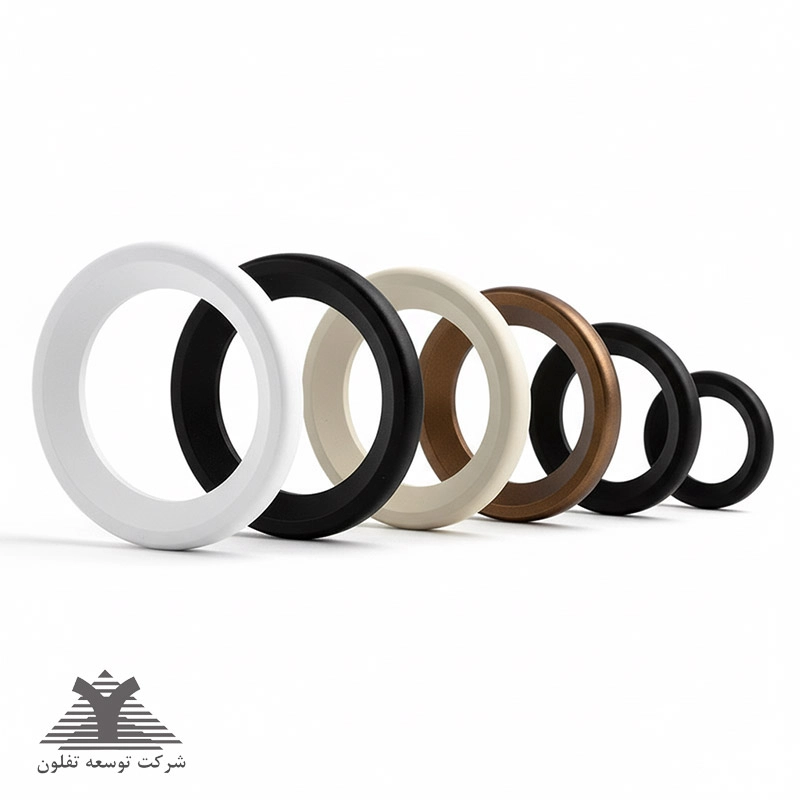
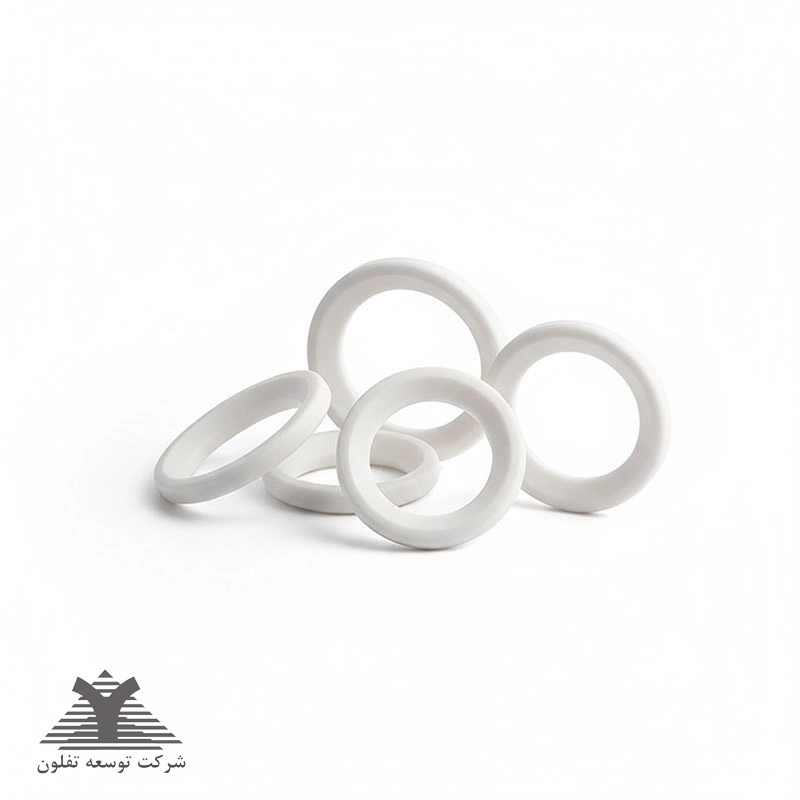
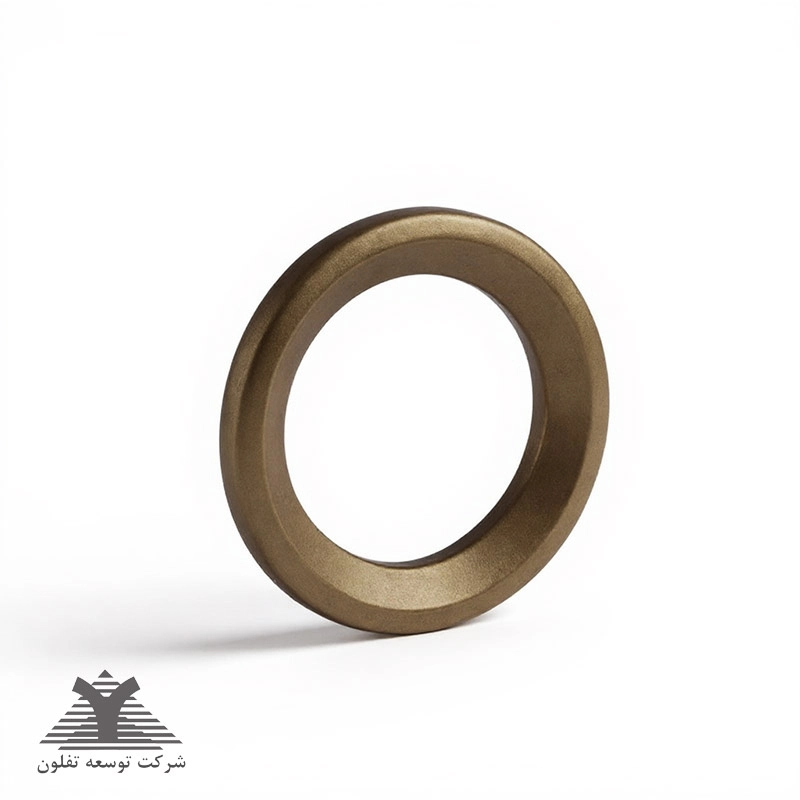
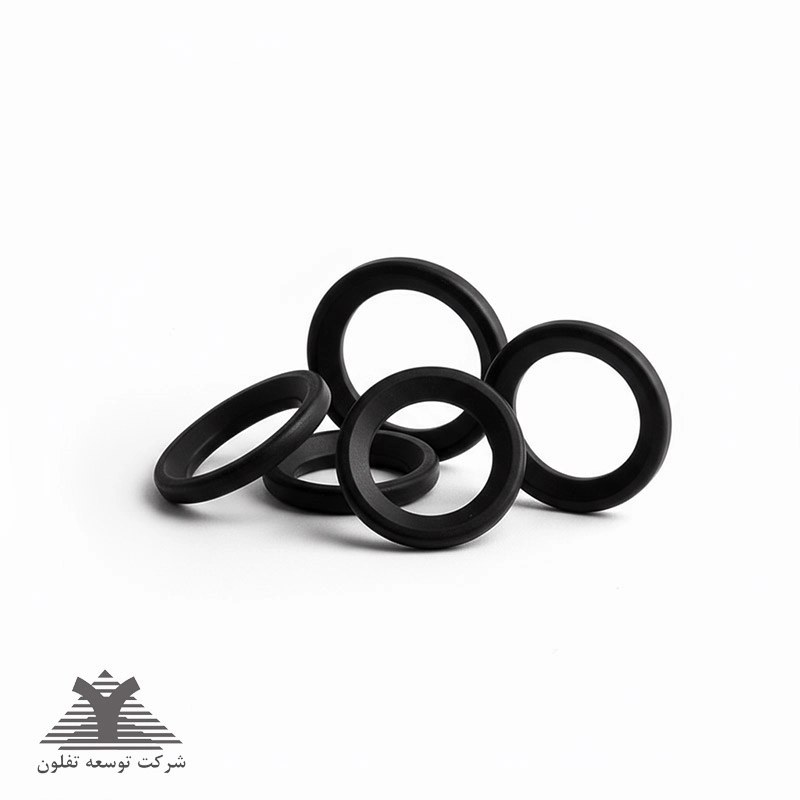
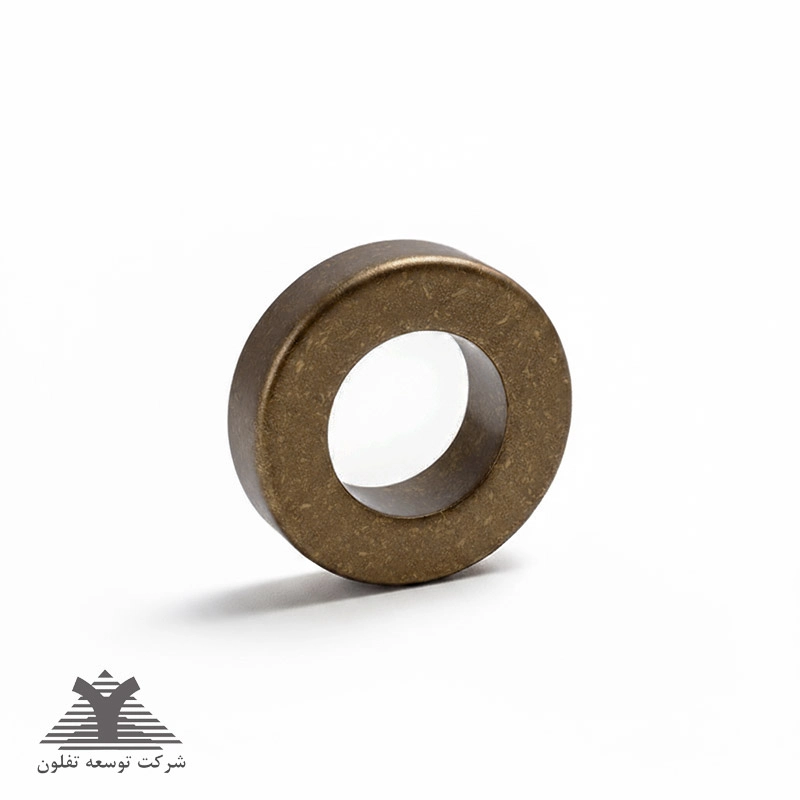

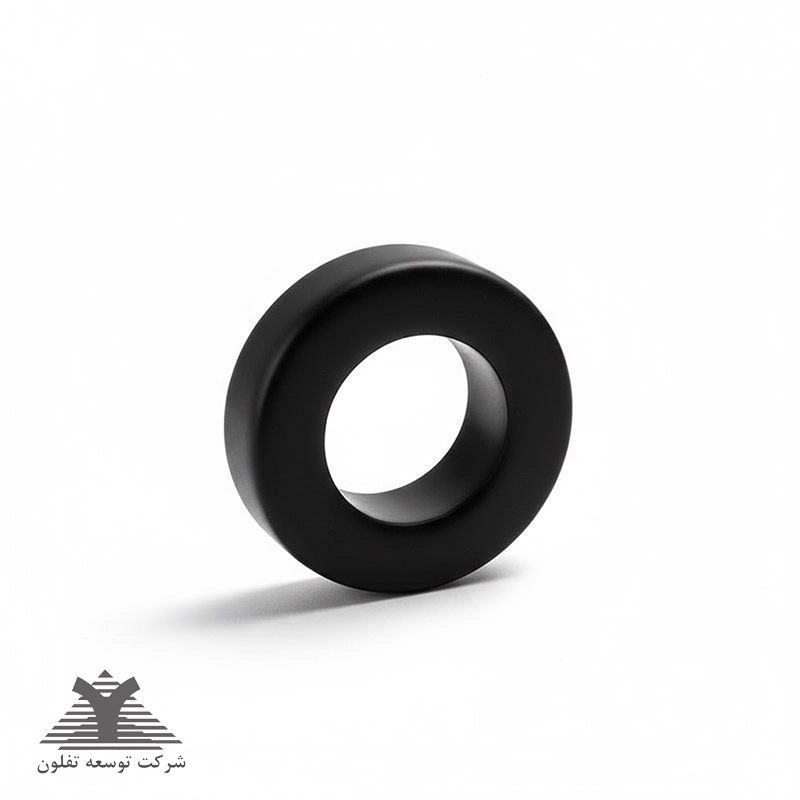
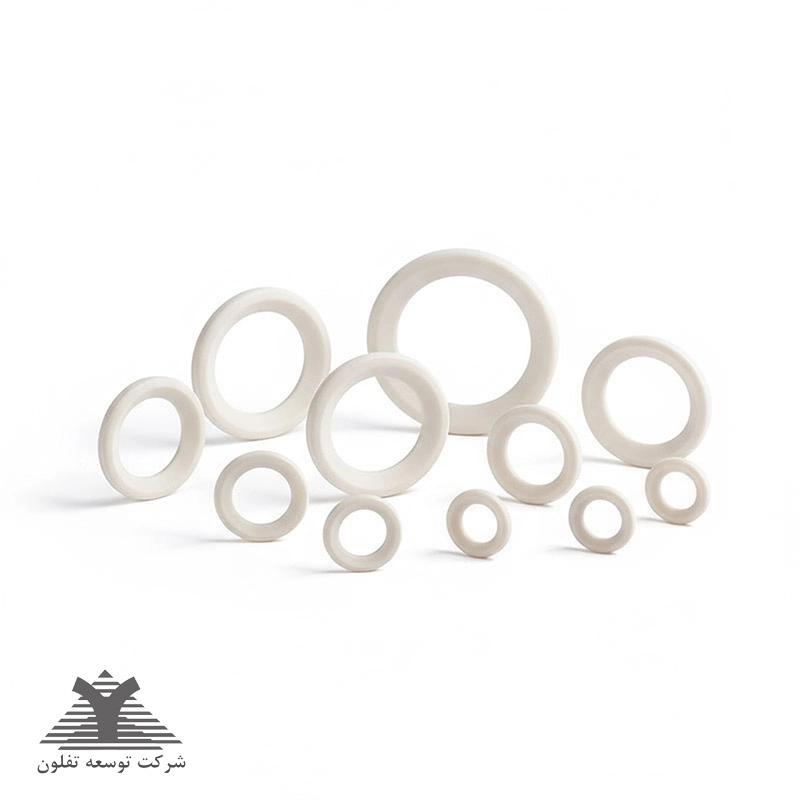
What is a PTFE gasket?
A PTFE gasket is one of the most important types of industrial gasket used for sealing flanges and fittings in demanding chemical and temperature conditions. It is made from polytetrafluoroethylene (PTFE) – a polymer renowned for its outstanding chemical resistance, very low friction and excellent thermal stability. Because of these properties, PTFE gaskets are considered an engineering standard wherever reliable sealing is required in contact with acids, alkalis, organic solvents and other corrosive media.
Suitable for critical process lines
Available in fully custom dimensions
Cost-effective over the long term
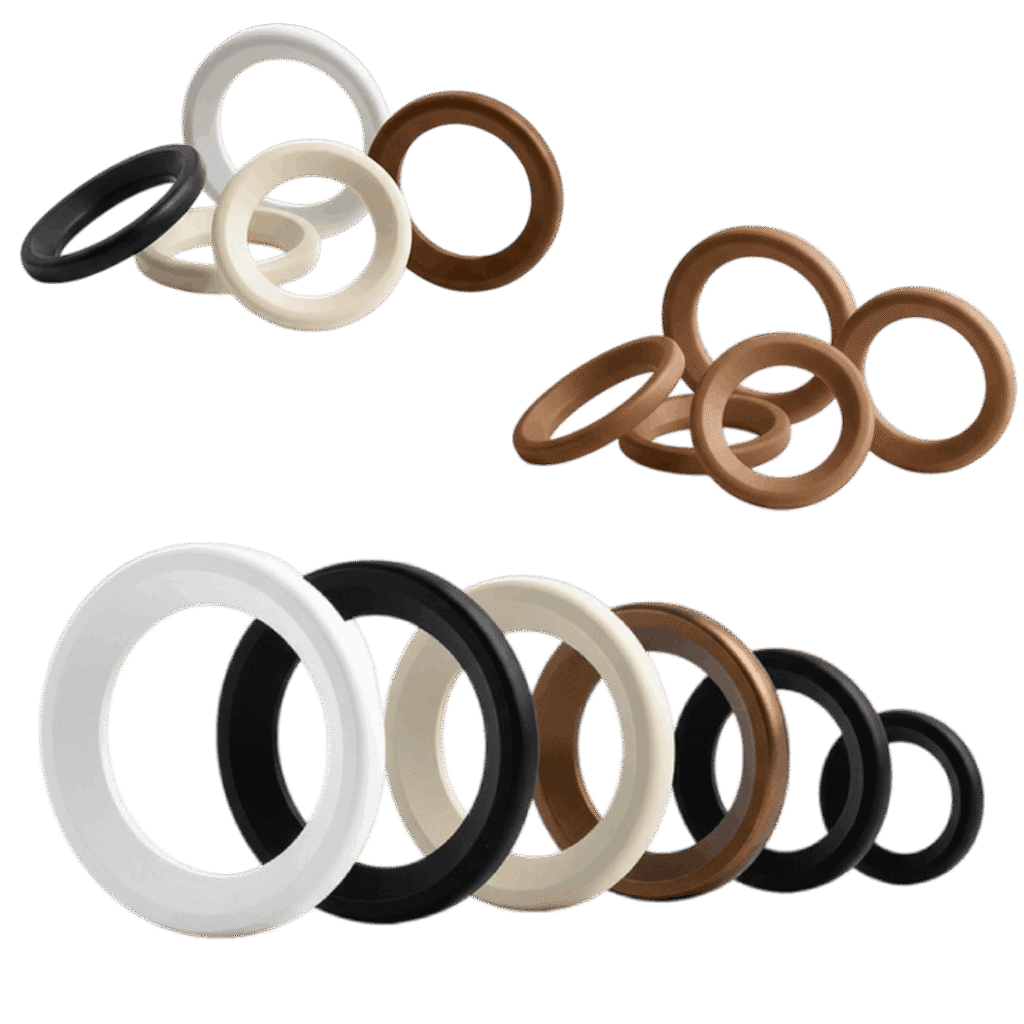
Outstanding chemical resistance
Reliable performance at elevated temperatures
Very low coefficient of friction
Applications of PTFE gaskets
Thanks to their unique combination of mechanical and chemical properties, PTFE gaskets are used across a wide range of industries, including:
Chemical and petrochemical plants – sealing process lines carrying aggressive acids, alkalis and organic solvents
Food and pharmaceutical production – wherever high purity and non-contamination of the medium are critical
Oil, gas and power generation – for flanges and fittings exposed to varying pressure and temperature
Sensitive process systems – where even small leaks can be costly, hazardous or environmentally critical
Key benefits of PTFE gaskets
When engineers and maintenance teams specify PTFE gaskets, they are usually looking for a combination of the following advantages:
• Exceptional chemical resistance against a wider range of media than most polymers and elastomers
• Reliable performance over a broad temperature range (typically from around −200°C up to +260°C, depending on design and grade)
• Very low coefficient of friction, helping to reduce wear and sticking between contact surfaces
• Smooth, non-stick surface that minimises product build-up and deposits
• Good dimensional stability and the ability to be precisely machined to both standard and custom sizes
• Excellent compatibility with hygienic and clean-service environments, such as food and p
For applications involving higher mechanical loads, dynamic movement or severe abrasion, engineers often choose reinforced PTFE gasket grades filled with carbon, bronze, glass, carbon fibre and other fillers to improve strength and reduce creep.
Limitations and considerations of PTFE gaskets
Alongside these advantages, it is important to be aware of PTFE’s limitations when selecting the right gasket grade:
• Lower mechanical strength in virgin PTFE compared with reinforced materials; at very high bolt loads or pressures there is a risk of creep and cold flow
• Not ideal for heavy mechanical shock, high dynamic loading or continuous vibration – in such cases, filled grades (carbon, bronze, glass, carbon fibre, etc.) are usually recommended
• Higher unit cost than conventional rubber or fibre gaskets – however, in many projects this is offset over time by reduced leakage, fewer shutdowns and longer service life
For this reason, when specifying PTFE gaskets it is essential to discuss the service conditions (medium, pressure, temperature, flange type and frequency of assembly/disassembly) with a technical specialist to ensure the most suitable grade is selected.
General guide to selecting a PTFE gasket
To choose the right PTFE gasket and obtain an accurate quotation, the following information is typically required:
• Inner diameter (ID), outer diameter (OD) and required thickness
• Type of medium (acid, alkali, organic solvent, corrosive fluid, hygienic/food-grade medium, etc.)
• Minimum and maximum operating temperature
• Line pressure and flange type/standard
• Whether the joint is static or dynamic (movement, vibration, frequent opening and closing, etc.)
With these details, it becomes much easier to select the most appropriate PTFE gasket grade – pure or reinforced – that offers the best balance of chemical resistance, mechanical strength, service life and overall cost for your application.
Which PTFE gasket grade is best for your application?
The right PTFE grade depends on the medium, pressure, temperature and whether the joint is static or dynamic.
For maximum chemical resistance
Virgin PTFE / glass-filled PTFE
For higher mechanical loads and pressure
25% carbon-filled PTFE, 40% bronze-filled PTFE
For dynamic movement and abrasion
Bronze & molybdenum disulfide-filled PTFE, carbon fibre & molybdenum disulfide-filled PTFE
For very high temperatures and special service conditions
PEEK-based gaskets
Custom PTFE gasket solutions based on your drawings and service conditions
If standard dimensions or off-the-shelf PTFE grades do not fully meet your operating requirements, we can manufacture PTFE gaskets and other polymer components to your exact specifications. Based on your drawing or sample, as well as the medium, pressure and operating temperature, we select the most suitable PTFE grade and produce gaskets with precise dimensions and tightly controlled tolerances for your project.
Comparison of PTFE and PEEK gasket grades
In the table below, you can compare different PTFE gasket grades and advanced materials such as PEEK in terms of base material, approximate operating temperature range, chemical resistance, wear resistance, pressure capability, thermal conductivity and recommended applications. This helps you make a more accurate choice when selecting a PTFE gasket.
| Gasket type | Short description | Base material & filler | Approx. operating temperature range | Chemical resistance | Wear resistance | Approx. pressure capability | Thermal conductivity | Recommended applications |
|---|---|---|---|---|---|---|---|---|
| Standard PTFE gasket | General-purpose PTFE gasket with a focus on chemical resistance and very low friction. | Virgin PTFE base (polytetrafluoroethylene) | Approximately −200°C to +260°C | Very high | Medium | Low to medium | Very low | Chemical, food and pharmaceutical process lines with medium pressure and high purity requirements. |
| Virgin PTFE | 100% PTFE gasket with maximum purity and chemical compatibility. | Virgin PTFE without fillers | Approximately −200°C to +260°C | Very high (close to maximum) | Low to medium | Low to medium | Very low | Food and pharmaceutical processes, highly corrosive media and hygienic applications where contamination must be avoided. |
| 25% Carbon-Filled PTFE Gasket | Carbon-reinforced PTFE gasket for higher strength and pressure capability. | PTFE with approx. 25% carbon filler (carbon filled) | Approximately −200°C to +260°C | High | High | Medium to high | Improved compared with virgin PTFE | Hydraulic systems, abrasive environments and process lines with higher pressure and dynamic loading. |
| 40% Bronze-Filled PTFE Gasket | Engineering grade for demanding thermo-mechanical conditions with high load and severe wear. | PTFE with approx. 40% bronze filler (bronze filled) | Approximately −200°C to +260°C | Medium to high (slightly lower than virgin PTFE | Very high | High | High (enhanced thermal conductivity | High-pressure hydraulic systems, petrochemical equipment, bearing applications and heavy dynamic service. |
| 25% glass-filled PTFE gasket | Glass fibre-reinforced PTFE gasket with excellent dimensional stability. | PTFE with approx. 25% glass fibres (glass filled) | Approximately −200°C to +260°C | Very high | High | Medium to high | Medium (improved compared with virgin PTFE) | Process systems with predominantly static loads, chemical and petrochemical equipment and lines where dimensional stability is critical. |
| Molybdenum-Bronze PTFE Gasket | TFE gasket reinforced with bronze and molybdenum disulfide for very high pressure and severe wear. | PTFE + bronze + MoS₂ (bronze + molybdenum disulfide) | Approximately −200°C to +280°C (depending on design) | High | Very high | Very high | High | High-pressure flanges, heavy-duty hydraulic systems, high-temperature/high-pressure process equipment and other critical industrial services. |
| Carbon fibre & molybdenum-filled PTFE gasket | Advanced PTFE, carbon fibre and MoS₂ composite for extremely demanding service conditions. | PTFE + carbon fibres + MoS₂ | Approximately −200°C to +260°C | High | Very high | Very high | Significantly improved (up to several times higher than virgin PTFE | High-pressure systems, aerospace equipment, advanced hydraulic systems and dynamic applications with severe wear. |
| PEEK-based gasket | PEEK-based gasket for very high temperatures and mechanical loads in advanced industrial applications. | High-performance PEEK polymer (with or without fibre reinforcement) | Approximately −60°C to +260°C (with short-term excursions up to around +315°C) | High to very high (depending on grade) | Very high | Very high | Medium to high | Aerospace and energy sectors, electronic and electrical equipment, and other specialised applications with high temperature and mechanical stress. |
| Custom gasket solutions | Custom-designed and manufactured gaskets based on your drawings, samples and real operating conditions. | PTFE, reinforced PTFE grades, PEEK and other engineering polymers selected to match your project requirements. | Depends on selected material | Depends on selected material | Depends on material and gasket design | Project-specific | Can be optimised by selecting the appropriate grade | Special projects, non-standard dimensions, demanding service conditions, critical process lines and custom-designed equipment. |
PTFE gasket selection & purchasing – FAQs
If you are unsure which PTFE gasket grade is suitable for your medium, pressure and temperature, the questions below can help guide your decision. If you still have doubts after reading this section, our technical team is always available to discuss your application in detail.
The correct grade should always be selected based on four key factors:
Type of medium – e.g. acid, alkali, organic solvent, hygienic/food-grade fluid, etc.
Minimum and maximum operating temperature
Line pressure and flange type/standard
Type of service – static joint, dynamic movement, vibration, or frequent assembly/disassembly
Once these parameters are defined, it becomes much easier to decide whether a virgin PTFE gasket is sufficient, or whether you should move to reinforced grades such as carbon-filled, bronze-filled, glass-filled, carbon-fibre-filled or even PEEK-based solutions.

